What Self-Care Looks Like When You’re Over 45 and Exhausted
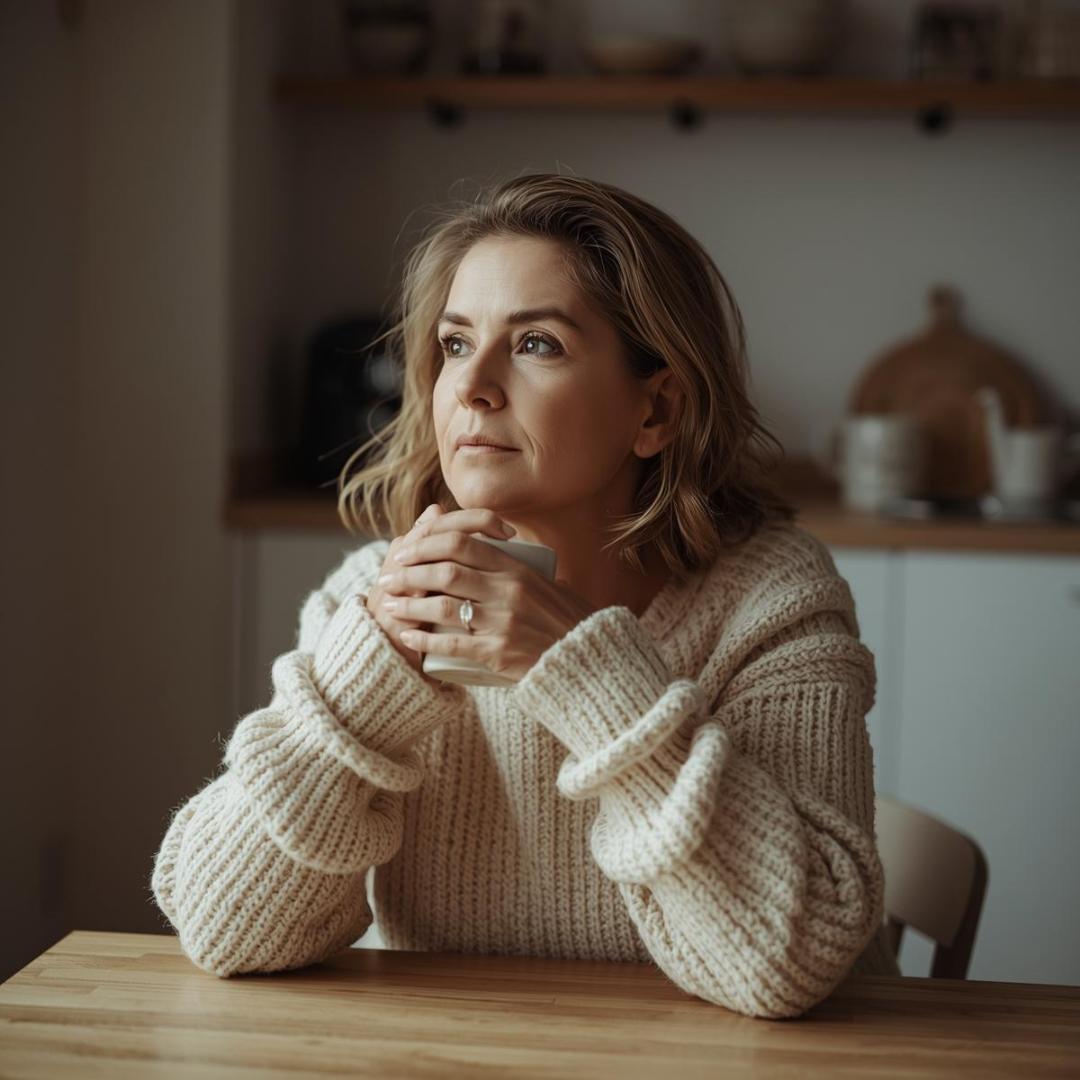
If you’re over 45 and exhausted, self-care can feel like one more thing you’re failing at.
You know you should be doing more.
Moving more.
Eating better.
Keeping a routine, you can never quite seem to stick to.
But when your energy is low, and your body feels different than it used to, even the idea of “a self-care routine” can feel overwhelming.
If that’s where you are, let me say this gently:
Nothing is wrong with you.
And you are not failing at self-care.
You may simply need a different understanding of what self-care looks like in this season of life.
Why Traditional Self-Care Doesn’t Work for Women Over 45
Much of what we see online frames self-care as something polished and demanding. Early mornings. Long routines. Endless energy.
For many women over 45, this version of self-care creates more pressure than support.
Your body may be changing.
Your nervous system may be tired from years of responsibility and stress.
Your energy may no longer follow predictable patterns.
When self-care is treated like another system to manage or another standard to meet, it stops being helpful. Real self-care should make life feel lighter, not heavier.
A Gentler Definition of Self-Care in Midlife
Self-care in midlife is not about fixing your body or becoming more disciplined.
It is about:
supporting your nervous system
nourishing your body consistently
creating steadiness instead of striving
At this stage of life, self-care becomes less about doing more and more about supporting yourself where you actually are.
Small, repeatable acts of care matter far more than elaborate routines you can’t sustain.
Self-Care Routines That Work When You’re Exhausted
Instead of thinking about self-care as a long checklist, it can be more helpful to think in terms of daily anchors.
These are simple moments throughout the day that gently support you without draining your energy.

Morning Self-Care for Women Over 45
Morning self-care is not about productivity or optimization.
It is about grounding before the day begins asking things of you.
Gentle, realistic options might include:
a warm, nourishing breakfast you can prepare once and eat for several days
stepping into natural light for a few minutes
taking a few slow breaths before checking your phone
The goal is not to start the day perfectly.
The goal is to start the day without stress.
Midday Self-Care to Support Your Energy
Many women are used to pushing through the middle of the day, even when their energy is fading.
Midday self-care is about noticing and supporting yourself before you crash.
Simple ideas include:
eating a meal without multitasking
stepping outside or stretching for a few minutes
pausing to hydrate and take a few deep breaths
These small pauses help regulate your nervous system and prevent total exhaustion later in the day.
Evening Self-Care for Rest and Recovery
Evenings often carry the weight of the entire day.
Self-care at night is about helping your body feel safe enough to rest.
Gentle evening support might look like:
dimming lights and reducing noise
repeating a simple nightly ritual you enjoy
setting soft boundaries with screens or work
You do not need a perfect nighttime routine.
You need consistent signals that it is okay to slow down.
What If You Can’t Stick to a Self-Care Routine?
If you find yourself starting and stopping routines, please hear this:
Inconsistency is not failure.
It is information.
It often means the routine is asking too much of you.
Instead of trying to do everything, choose one anchor habit.
Return to it gently.
Let go of the rest.
That is real self-care.

Self-Care Is About Support, Not Perfection
Self-care in midlife is not about becoming someone new.
It is about:
listening instead of judging
supporting instead of fixing
choosing care that feels doable and kind
You don’t need a perfect routine.
You need care that meets you where you are.
And that kind of self-care counts.
If you’re exploring gentler ways to support your body and energy, I’ve gathered a few supportive resources you can explore at your own pace when you’re ready.
xx,
Diana