How to Make Beans and Grains Easier to Digest
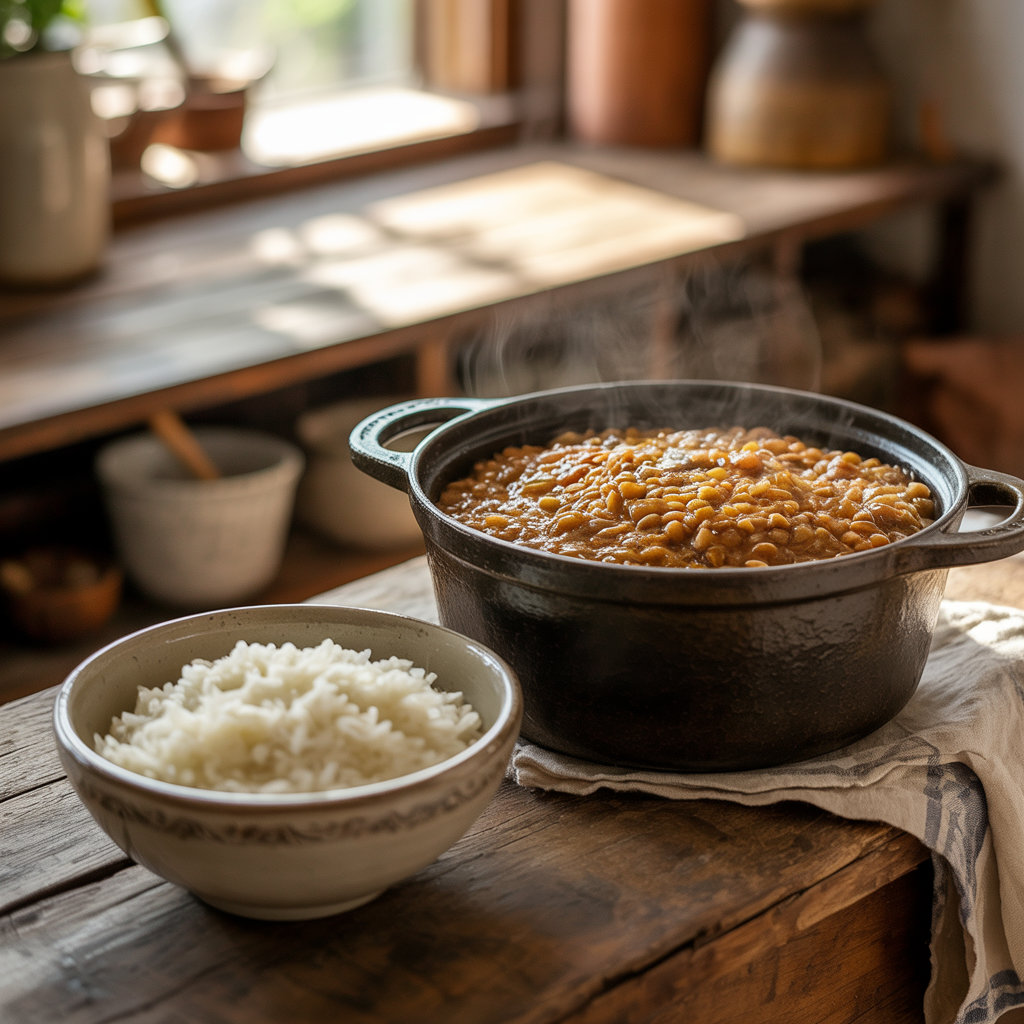
A gentle, science-backed approach to feeling better after you eat
There was a time when I thought I was doing everything right.
I was eating more beans. More grains. More of the foods that are often labeled as “healthy.”
And yet…
I didn’t always feel good after eating them.
Sometimes it felt like heaviness.
Sometimes bloating.
Sometimes, just a sense that my body was working a little harder than it should.
For a while, I wondered if it meant those foods just weren’t right for me.
But over time, I learned something that shifted everything:
It’s not always the food itself.
Sometimes it’s how the food is prepared.
A Small Shift That Changes Everything
There are a few simple ways to prepare grains and legumes that can make them feel much easier on your body:
soaking
pressure cooking
cooking, then allowing them to cool
These aren’t complicated changes. But they can make a noticeable difference in how you feel after eating.
What’s Happening in Your Body (in simple terms)
When grains and legumes are cooked and then cooled, some of the starch changes form into something called resistant starch.
This type of starch:
isn’t fully digested in the small intestine
moves more slowly through the body
supports gut health by feeding beneficial bacteria
It also tends to have a gentler effect on blood sugar, which can help support more steady energy throughout the day.
So instead of thinking about “reducing carbohydrates,” a more supportive way to look at it is this:
You’re changing how your body processes them.
Why Pressure Cooking Helps
Pressure cooking is one of the easiest ways to make beans and grains feel more comfortable to eat.
It helps by:
breaking down tough plant fibers
reducing naturally occurring compounds like phytates and lectins
improving overall digestibility
This is one of the reasons I often reach for my Instant Pot when I’m making lentils, beans, or even rice.
It simplifies the process and makes these foods feel a little easier on my body.
The Step Most People Miss
If there’s one small habit that can make a difference, it’s this:
Let your grains or legumes cool before eating them.
Even a few hours in the refrigerator can begin to shift the starch in a helpful way.
This is why leftovers sometimes feel easier to digest than freshly cooked meals.
You can always gently reheat them later. The benefits are still there.
What This Looks Like in Real Life
This doesn’t need to be complicated.
It can look like:
cooking a pot of lentils and using them over the next few days
making rice ahead of time and reheating it when needed
using a pressure cooker to simplify the process
not rushing meals or forcing foods your body struggles with
Over time, these small shifts can help you feel more comfortable, more steady, and more supported after eating.
A Gentle Reminder
If you’ve ever felt like your body was “failing” you because certain foods didn’t sit well, you’re not alone.
Sometimes it’s not about removing foods.
Sometimes it’s about preparing them differently.
Your body isn’t working against you.
It’s responding to what it’s given.
And with a few small adjustments, it often responds in a much kinder way.
xx, Diana
Research Notes (for those who are curious)
Cooling cooked starches has been shown to increase resistant starch formation, which can improve glycemic response and support gut health
(Englyst et al., 1992; Sajilata et al., 2006)Resistant starch acts as a prebiotic, supporting beneficial gut bacteria and short-chain fatty acid production
(Birt et al., 2013)Pressure cooking and proper preparation of legumes can reduce antinutrients such as phytates and lectins, improving digestibility and nutrient availability
(Rebello et al., 2014; Kumar et al., 2022)
References
Englyst, H. N., Kingman, S. M., & Cummings, J. H. (1992). Classification and measurement of nutritionally important starch fractions. European Journal of Clinical Nutrition.
Sajilata, M. G., Singhal, R. S., & Kulkarni, P. R. (2006). Resistant starch – A review. Comprehensive Reviews in Food Science and Food Safety.
Birt, D. F., et al. (2013). Resistant starch: Promise for improving human health. Advances in Nutrition.
Rebello, C. J., Greenway, F. L., & Finley, J. W. (2014). Whole grains and pulses: A review of their health benefits. Journal of Nutrition and Metabolism.
Kumar, V., et al. (2022). Processing methods and their impact on antinutritional factors in legumes. Food Chemistry.