How I Learned to Make My Home Feel Like a Deep Exhale
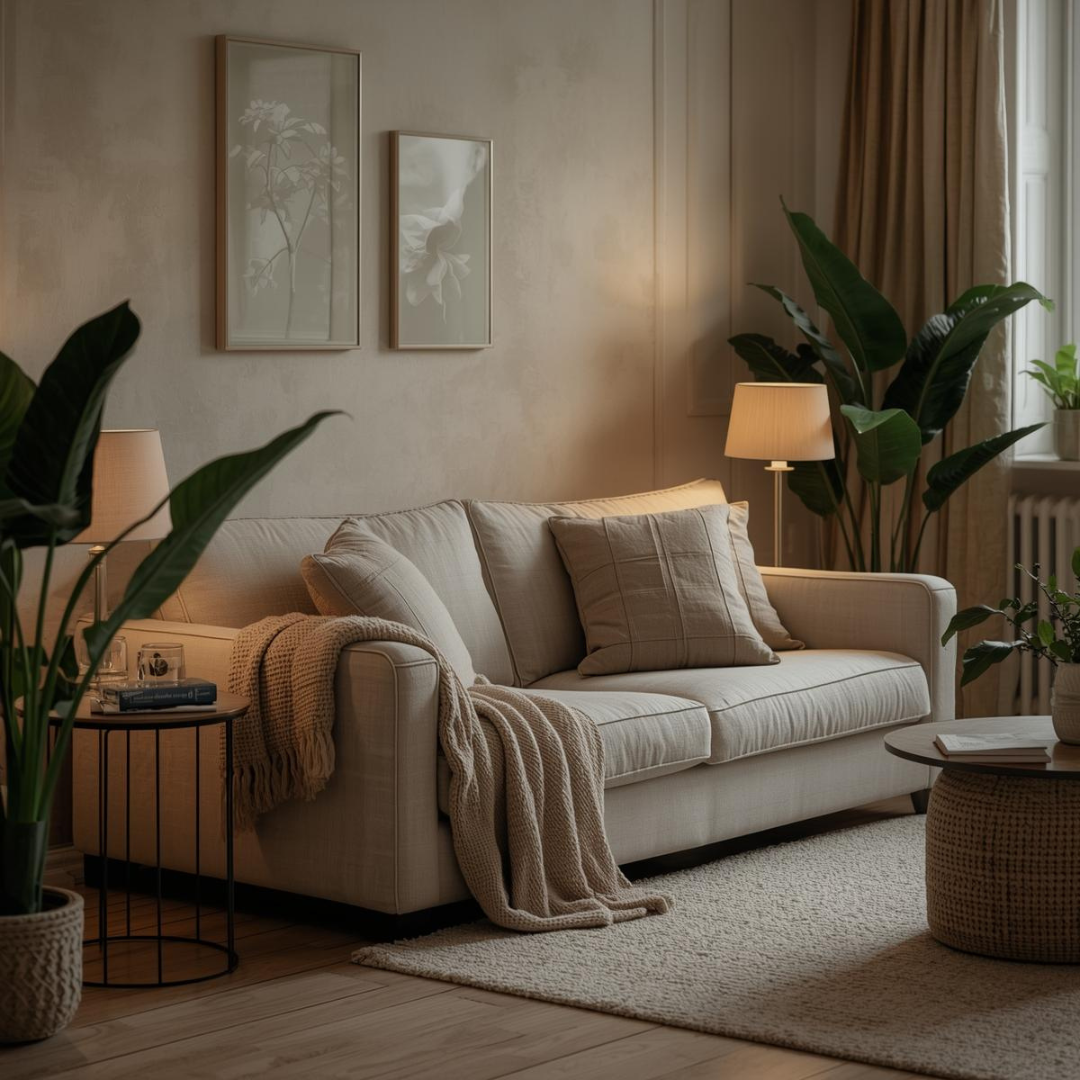
Creating a Calm, Cozy, Nervous-System-Safe Sanctuary in Midlife
Some of the links in this post are affiliate links. This means I may earn a small commission if you choose to make a purchase, at no additional cost to you. I only ever share products I genuinely love and use, and that support the calm, cozy, nervous-system-safe home I’m always talking about.
There was a season of my life when even being at home didn’t feel restful.
On paper, everything looked fine. The rooms were “done.” The furniture matched. The décor was pretty enough. And yet, my body never truly softened when I walked through the door. I still felt alert. On edge. Tired in a way that sleep alone could not fix.
What I didn’t understand then was that my nervous system was exhausted.
Years of pushing, caretaking, being responsible, staying strong, staying “on,” had trained my body to live in a constant state of quiet vigilance. Even in my own living room, it didn’t fully believe it was safe to let go.
It took time and a lot of listening to realize that healing wasn’t only about what I ate, how I moved, or how I rested. It was also about the environment I was asking my body to recover in.
Our homes are not just visual spaces.
They are nervous system spaces.
They can either keep us subtly braced… or gently tell us, over and over again:
You are safe. You can rest now.
This is what I’ve learned about creating a home that feels like a deep exhale instead of another place to perform.
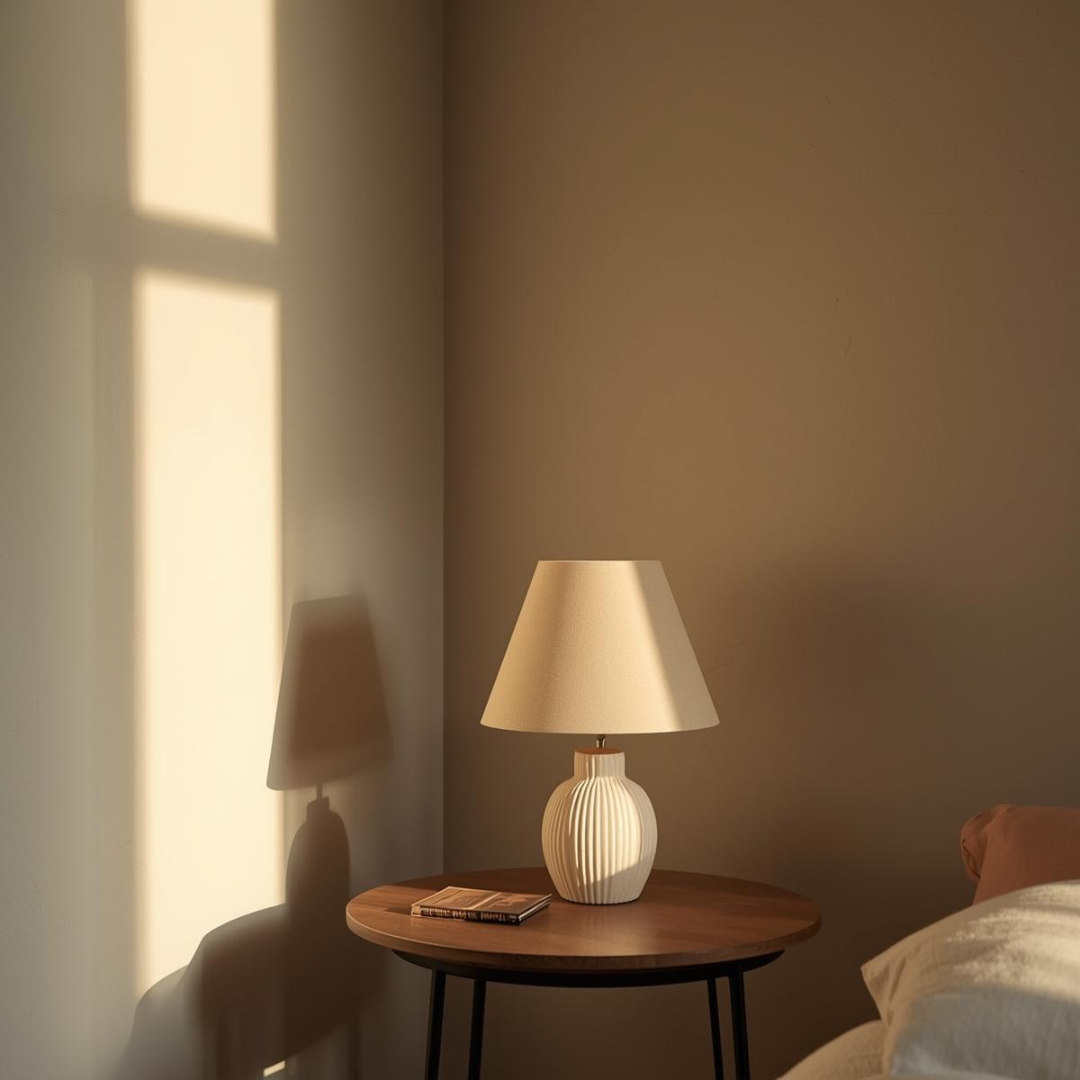
Light That Soothes Instead of Stimulates
For a long time, I relied on overhead lighting without thinking much about it. Bright, white, efficient. And completely dysregulating for a nervous system that was already running on empty.
Harsh lighting keeps the brain in “daytime, stay alert, stay productive” mode. Soft, warm, layered light tells the body that it is evening, that it can downshift, that it does not have to stay on guard.
The simple act of replacing overhead light with warm table lamps, floor lamps, salt lamps, or even soft LED candles changed the entire feeling of my evenings. The room felt quieter. My thoughts slowed. My shoulders dropped without me consciously trying.
This is why I now always gravitate toward warm bulbs, dimmable lamps, and gentle pools of light rather than one bright source. It is not just aesthetic. It is regulation.
When I share lighting pieces or candles on my blog, it is because they help create this soft, signaling environment for the nervous system, not because they are trendy.
Textures That Tell the Body It Is Held
The nervous system is deeply responsive to touch. Not just human touch, but the textures we live inside of.
Softness communicates safety.
Linen sheets. A knit throw. A wool rug under bare feet. A pillow that invites you to lean back and actually rest your head instead of perching upright.
These small sensory cues tell the body, “You don’t need to brace here.”
Over time, I stopped choosing décor based only on how it looked and started choosing based on how it felt. Could my body relax into it? Did it invite curling up, exhaling, settling?
That shift alone changed how restorative my evenings became.
Colors That Let the Eyes and Mind Rest
So many of us are visually overstimulated all day long. Screens, signage, movement, noise, contrast.
When we come home, our nervous system is quietly craving visual quiet.
Soft neutrals, warm earth tones, muted greens, gentle blues, and creamy whites create a backdrop that allows the eyes to rest and the brain to stop scanning for what comes next.
This doesn’t mean everything must be beige. It means choosing colors that feel grounded rather than sharp, soothing rather than demanding.
I now think of my walls, textiles, and artwork as part of my nervous system support system.
Scent as a Shortcut to Calm
Scent goes straight to the emotional brain. It can signal safety faster than words ever could.
Certain aromas have become anchors for me. Lavender at night. Cedarwood or sandalwood, when I need to feel grounded. Bergamot, when I want the air to feel gently uplifting without being stimulating.
A diffuser, a natural candle, or even a light linen spray can shift the entire emotional tone of a room.
This is why I am intentional about the scents I use and share. Not overpowering. Not artificial. Just enough to quietly remind the body that it is in a safe, familiar, comforting place.
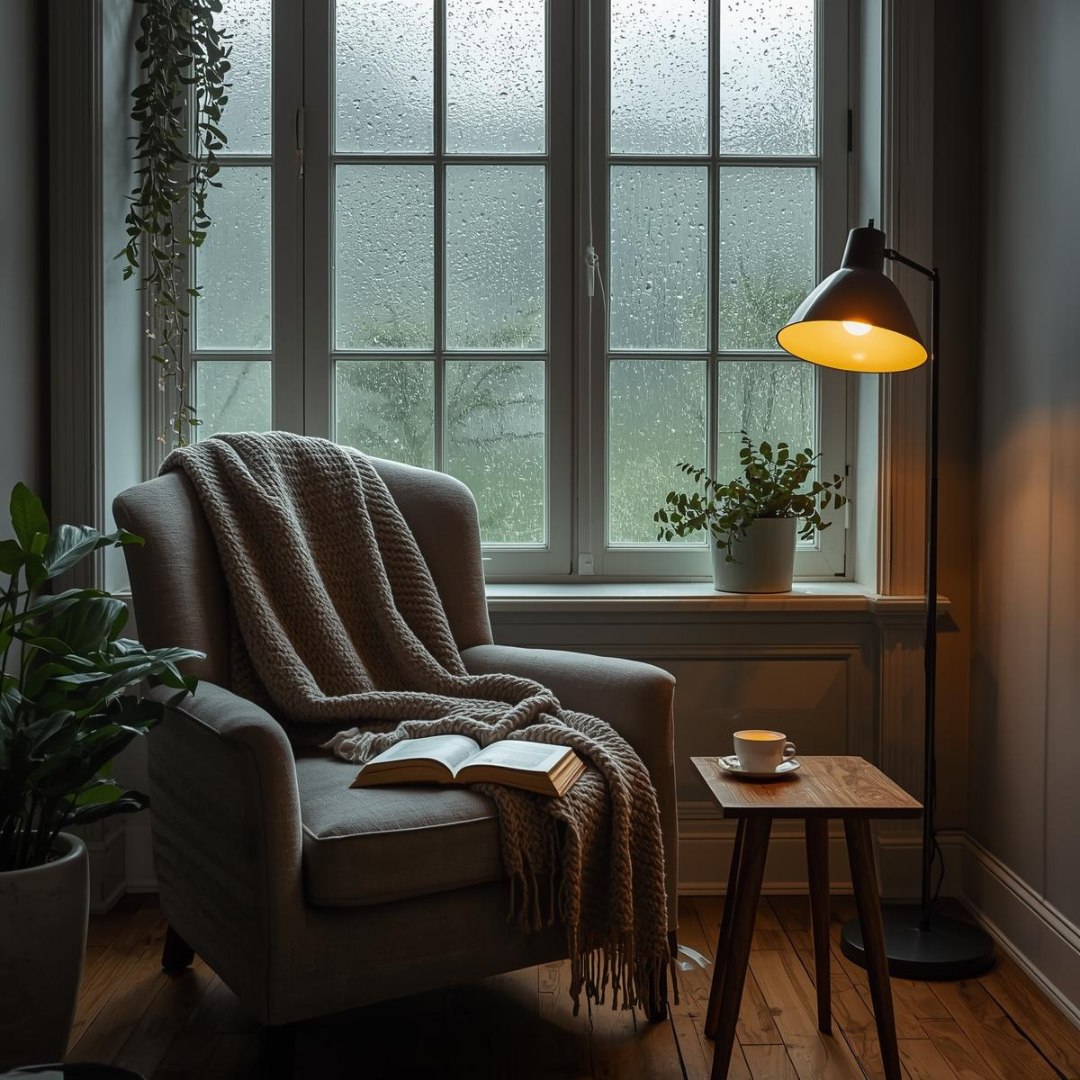
Creating One True “Soft Landing” Space
You don't need to redesign your entire home to start this work.
One chair.
One corner.
One small place that exists only for resting, reading, breathing, or simply being.
A soft chair near a window. A lamp. A blanket. A small table for tea or a book. This becomes a visual and sensory cue: this is where I slow down.
When life feels heavy and the body is tired of holding everything together, having one physical place that consistently communicates safety can be profoundly reassuring.
The Deeper Truth
A nervous-system-safe home is not about perfection.
It is not about aesthetic performance.
It is not about having the “right” pieces.
It is about asking, gently and honestly:
Does my body feel more at ease here?
In midlife, especially after seasons of burnout, grief, caregiving, or chronic stress, our systems are no longer impressed by hustle or beauty alone. They are looking for safety, predictability, softness, and warmth.
Your home gets to become part of your healing.
Not a showroom.
Not a project.
A sanctuary.
One lamp at a time.
One soft texture.
One calming scent.
One corner that whispers: you are safe now.
And when I share favorite pieces or links, it is simply because they helped me create that feeling for myself and might offer the same gentle support to you.
Your home does not need to be perfect.
It needs to feel like permission to rest.
xx. Diana